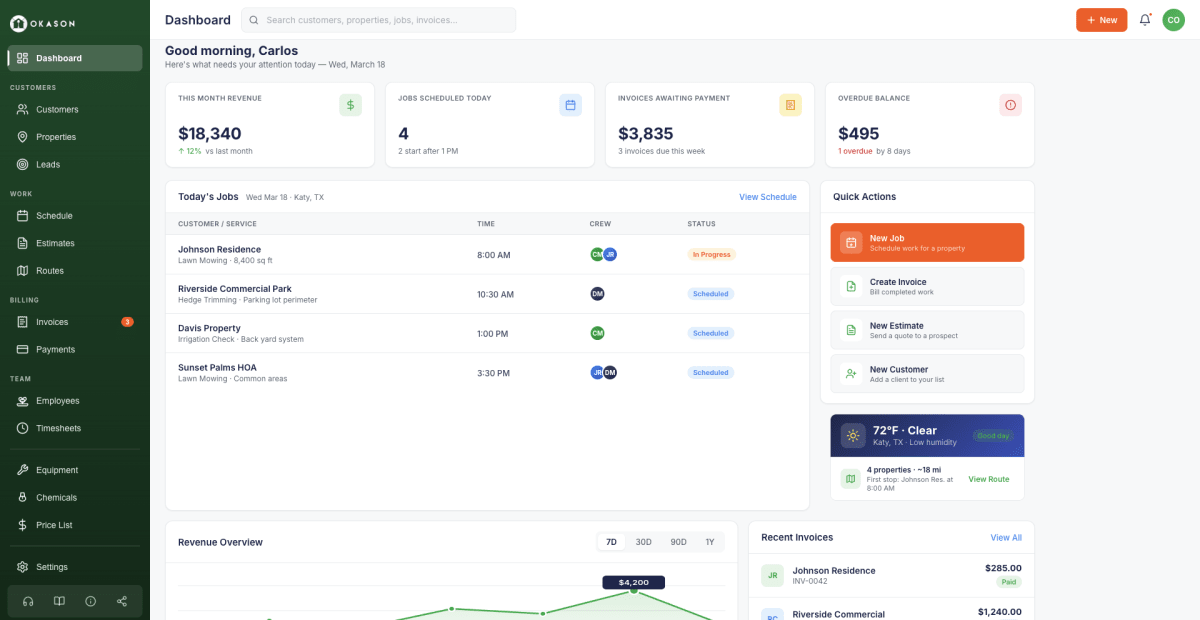

Okason
Business management for landscaping companies.
Mobile-first: manage crews, schedule jobs, send invoices, collect payments and track operations from the field.
Visit Okason →$49 a week. You own it.
Describe it in plain English. I build the first working version and put it live within 7 days. Then I keep improving it, one request at a time, for as long as you want.
$99 to start — your build plus your first 2 weeks. Then$49 a week. Cancel anytime.
Takes 3–5 minutes. You pay nothing to apply.
Built something with an AI app builder, a freelancer or on your own, and it's almost there? The login half works, payments aren't connected, the domain won't attach, there's no back end, or it only runs on one kind of phone.
Same pricing, same process. Week one goes to whatever is blocking you.
Finish My App →Ask me about any of them.
Business management for landscaping companies.
Mobile-first: manage crews, schedule jobs, send invoices, collect payments and track operations from the field.
Visit Okason →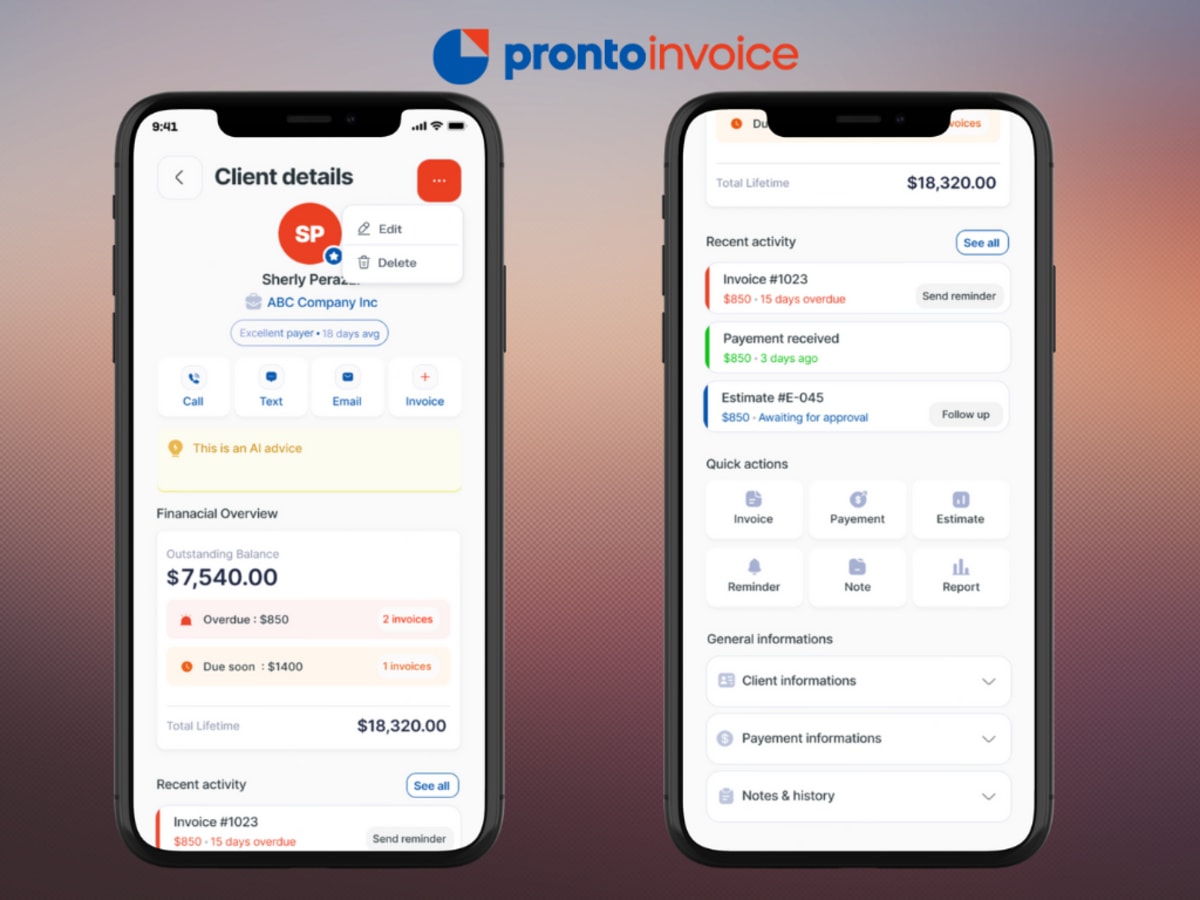

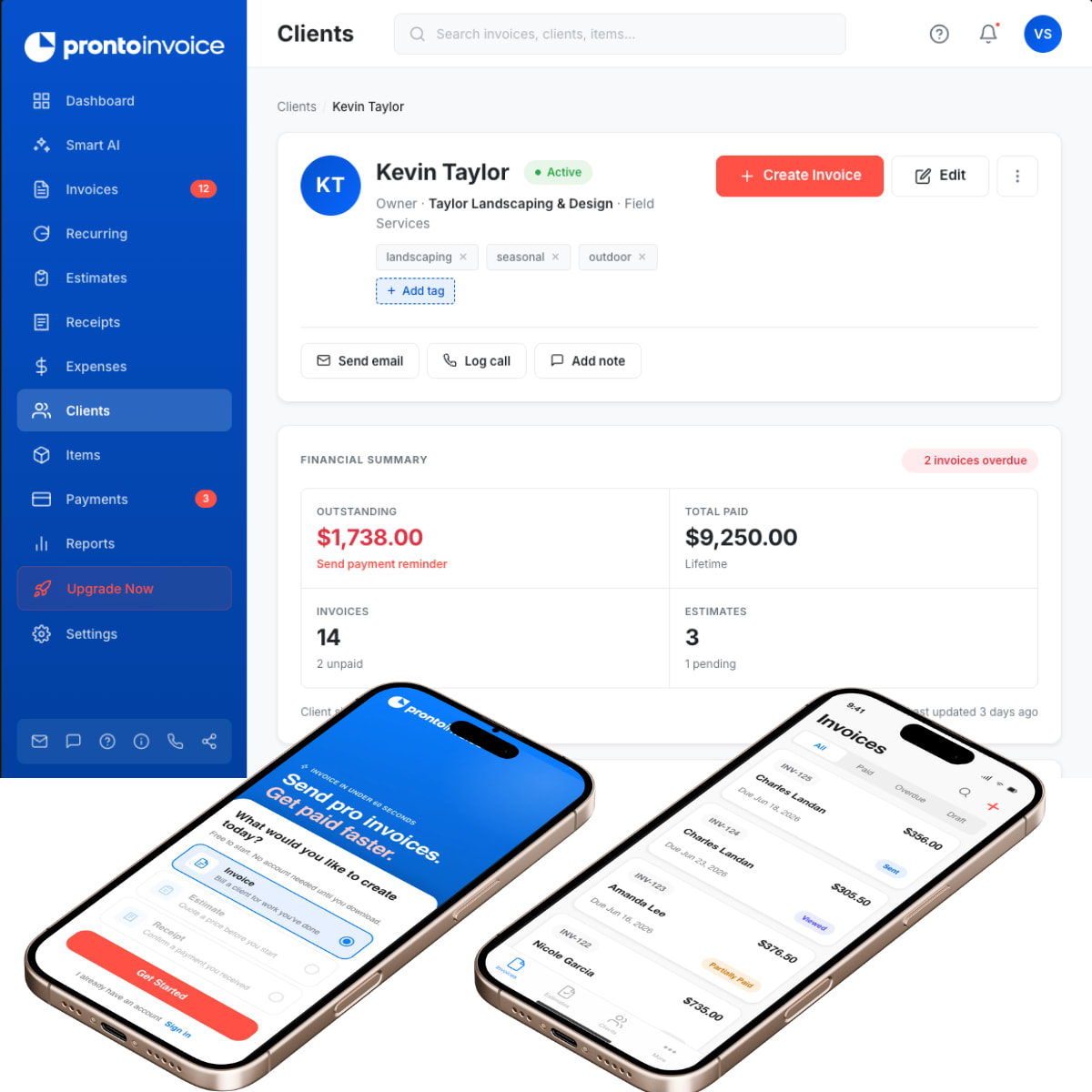
A professional invoice in under 60 seconds.
Fast, simple invoicing for small businesses, freelancers and field service pros. No bloat — just reliable invoicing from your phone.
Visit Pronto Invoice →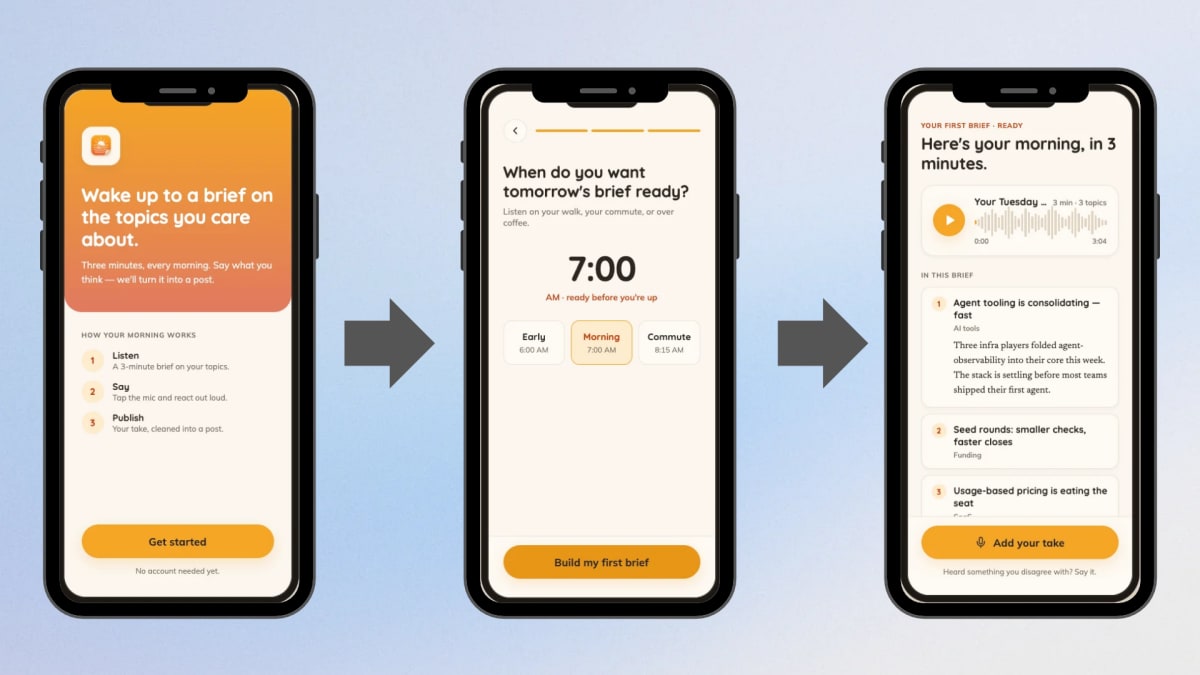

Your industry news, turned into a daily thinking habit.
A three-minute personalized audio brief every morning on the topics you care about — then help writing about it.
Coming soon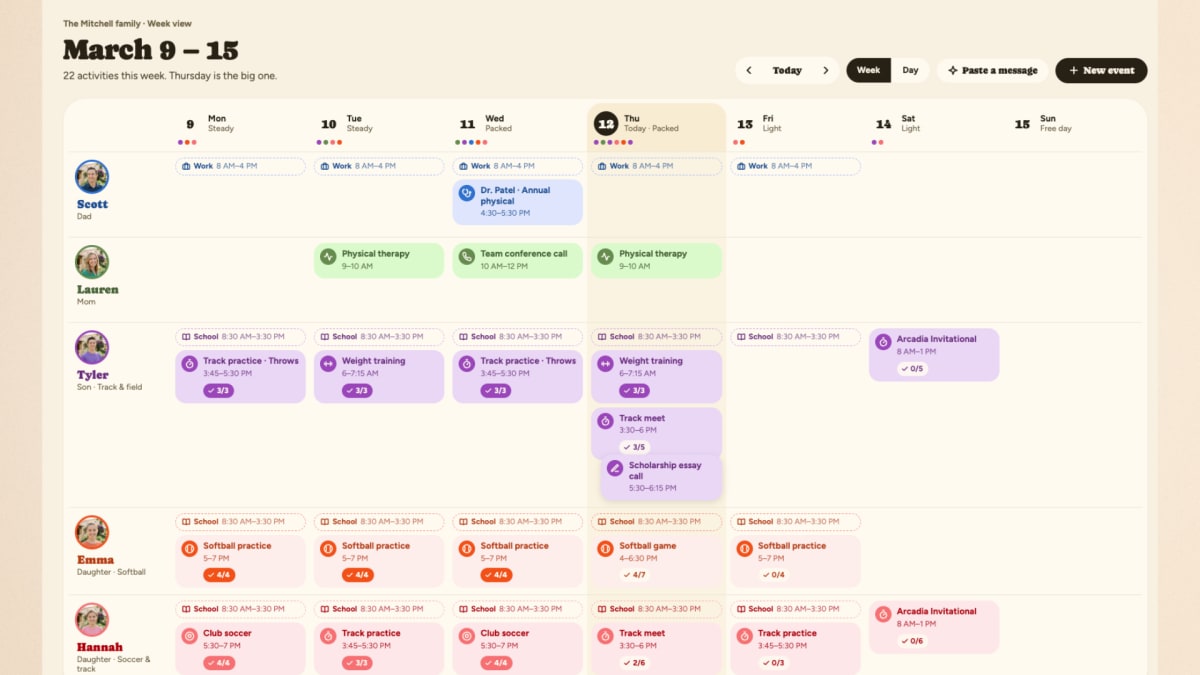

One calendar for the whole household.
A shared, color-coded family calendar for school, sports, work and activities — on web, mobile and a dedicated household tablet hub.
Coming soonMost people try to build the whole app, then launch it. Founders who ship do the opposite.
Launch the idea first. Build the smallest useful version, one core use case at a time. Then ship it to real people.
Define the app, pick three core use cases, design it, and put a real page on the internet.
One complete use case per phase. Not features — use cases. Finished, working, end to end.
Polish, secure, deploy, and put it in front of actual humans.
One use case per build phase is the rule that saves you. It stops "while we're in here, we should also add…" from eating the next four months.
Three to five minutes. Tell me what the app should do, who will use it and what you use today. No call needed.
If it's a fit, you get a written first-version scope: your three core use cases and exactly what will be live in 7 days. If it isn't, I tell you straight and you pay nothing.
Covers the build and your first 2 weeks of service. No proposal, no hourly estimate, no long contract.
A real, working app at a link you can open, use and share. Not a mockup. Not a slide deck.
Send a change request in plain English. I ship it within 7 days, then you send the next one. Bugs are always fixed free and never count as a request.
Seven days does not mean the full version of Uber, Airbnb or Salesforce. It means the smallest version of your idea that does the main job — working, and in your hands. We agree on that scope in writing before you pay.
| App | First version · week 1 | Added later, one request at a time |
|---|---|---|
| Lead manager | Lead comes in → saved → you view and update it | Follow-ups, SMS, reports, team access |
| Quote tool | Add customer → enter work → generate and share quote | Deposits, signatures, invoices, reminders |
| Membership app | Sign up → log in → access protected content | Payments, community, messaging, courses |
Big ideas are welcome. They just arrive in weekly pieces instead of one long wait.
$49/week
$99 to start, covering your build and first 2 weeks. Weekly billing begins in week 3.
$99/week
Everything in Standard, plus:
Switch between plans anytime.
| App Store submission | $149 once | Under your own Apple Developer account. Apple's fee is separate. |
| Google Play submission | $149 once | Under your own Google Play account. Google's fee is separate. |
| Early code handoff | $399 | See You own your app. |
Some apps use services that charge for usage: AI features in the live app, SMS, email delivery, maps, payment processing or large-scale hosting. If yours needs one, I tell you the cost before adding it, and you pay the provider directly, in your own name wherever possible. No markup.
You never pay for the AI tools I use to build your app. That's on me.
One request at a time keeps the price low and the quality high. Each request gets my full attention and ships within a week — instead of twenty half-finished features.
It adds up fast. Four requests a month makes a very different app by month three. Need more speed? That's what Priority is for.
Shipped requests on the Standard plan, cumulative.
This is the part most "cheap app" offers leave vague. Here it is in plain terms.
While you're on the service, the code lives in my development workspace so I can build, test and deploy it safely. It's written for you, and our agreement covers it as your property.
After 8 weeks in a row, ask for a full handoff at no charge:
You can still take everything. The early handoff fee is $399, which covers packaging and transferring the app properly.
You get a full data export, free. Your app stays online for 30 days after your last payment so you have time to decide. Then it winds down.
Every active customer gets the full handoff free, with at least 30 days' notice. You'll never be left with an app you can't run.

Software Architect · Founder, ProntoAppLaunch
I'm a U.S.-based software architect with 14+ years of professional experience and 20+ shipped applications across mobile, web and SaaS. I also build my own products, including Okason, software for landscaping businesses.
Your project is not where I learn how to build software.
I lead the product and technical direction of your app: architecture, scope, quality and delivery. When extra engineering help is useful I may bring it in, but the project stays architect-led and held to the same standards.
14+
More than a decade designing, shipping and maintaining real systems across mobile, web, SaaS and back end.
20+
Including my own products, like Okason, software for landscaping businesses.
I use modern AI coding agents to move fast inside a real engineering process: clear scope, version control, code review, testing, security checks and proper deployment. That's how a first version lands in days without falling apart in month two.
No account managers, no ticket queues. The person who reads your application builds your app and answers your messages. If extra engineering help speeds things up, I may bring it in — but I lead the architecture and quality on every project.
U.S.-based · NDA available before you share anything sensitive
If your project isn't a fit, I'll tell you before you pay anything.
We agree on your first-version scope in writing before you pay. I aim to have it live within 7 days. If the agreed first version isn't live within 14 days, I refund what you paid. No forms, no argument.
Yes. $99 covers your build and your first 2 weeks. After that it's $49 a week on Standard or $99 on Priority.
For as long as you want me hosting, maintaining and improving the app. Cancel anytime. There's no annual contract.
You own it. Your data is exportable anytime. Your domain and app-store accounts are in your name from day one. After 8 weeks in a row — or anytime for the $399 early handoff fee — I transfer the full source code, database and files to you.
Billing stops. You get a free data export, your app stays online for 30 days, and you can take a full handoff if you're eligible, or pay the early handoff fee.
One change or addition you describe in plain English, like "add a page where customers can book a time" or "let me export leads to a spreadsheet." Bigger ideas get split into a few requests. Bugs never count.
It keeps your app focused and moving. During Launch we pick the three things the app must do. Each is built completely, one per phase, before the next starts. Everything else waits its turn as a request.
Yes. Many first versions start as a web app that works on any phone, because it can be shared with a link right away. If you need a native app, we plan for it. The 7-day promise covers the working first version, not Apple's or Google's review time.
Yes. Tell me what it was built with and what's broken. Your first week goes to whatever is blocking you.
Yes, if it genuinely helps. Building it is included. AI usage inside your live app runs on an account in your name, and you pay the provider directly at cost.
Yes, before you share any details.
No. Start with the application. If something needs clarifying, I'll send a link for a short call.
No spec needed. No code needed. Just tell me what you want it to do.